|
|
|
| |
| ABSTRACT |
|
Complex training combines high-load resistance exercises with plyometric actions and can be implemented using different exercise sequences. Given that neuromuscular adaptations are specific to the force–velocity characteristics and fatigue conditions under which training stimuli are applied, exercise order may influence the expression of training adaptations. This study compared the effects of ascending (ACT; plyometrics before resistance exercises) and descending (DCT; resistance before plyometrics) complex training methods on athletic performance in national-level male basketball players. Twenty athletes (ACT: n=8; DCT: n=12) completed an 8-week training program performed twice weekly during the off-season. Both protocols included matched training volumes (sets × repetitions × load) and intensities but differed in exercise sequencing: DCT prioritized resistance exercises before plyometrics, while ACT followed the opposite order. Primary outcomes were change of direction (5-10-5, CODAT) and countermovement jumps without and with arm swing (CMJ, CMJ-A; respectively), squat jumps (SJ). Secondary outcomes included drop jumps from 40 and 60 cm (DJ-40, DJ-60), linear sprint times (5 m, 10 m), and force output during isometric mid-thigh pull (IMTP). After adjustment for baseline performance, no consistent between-group differences were observed for jumping performance during CMJ, CMJ-A, SJ, or DJ, nor for sprinting or change-of-direction performance (all p ≥ 0.05). A significant between-group effect favoring DCT was observed only for CMJ-A peak velocity (p = 0.015) and early-phase isometric force production at 100 ms during the IMTP (p = 0.011). These findings indicate that both ACT and DCT can be effectively implemented during the off-season in national-level basketball players. Exercise sequencing appears to act as a fine-tuning variable that may influence specific neuromuscular qualities, rather than producing broad performance advantages across athletic tasks. |
| Key words:
Exercise sequencing, exercise order, athletic performance, force output, plyometric training
|
Key
Points
- Ascending and descending complex training resulted in broadly similar adaptations in jumping, sprinting, and change-of-direction performance when training volume and intensity were equated in national-level male basketball players.
- Exercise order within complex training influenced specific neuromuscular characteristics rather than global athletic performance, indicating that sequencing functions as a secondary programming variable.
- Descending complex training preferentially enhanced early-phase isometric force production (IMTP at 100 ms) and countermovement jump peak velocity with arm swing.
|
Basketball is a team sport that requires athletes to develop a wide range of physical attributes and motor skills, such as speed, strength, and endurance, to excel technically and tactically while gaining an advantage over opponents (Pérez-Chao et al., 2023; Martinho et al., 2025). Key movement abilities, including acceleration, deceleration, directional changes, jumping, and lateral shuffling, are essential for success due to the basketball’s intermittent high-intensity nature and its specific physical demand (Allen et al., 2008; Montgomery et al., 2010; Kobal et al., 2017; Martinho et al., 2025). These tasks rely on rapid force production, efficient utilization of the stretch-shortening cycle (SSC), and coordinated force–velocity expression across the lower limbs. Because these actions require the combined development of force-dominant and velocity-dominant capacities, complex training (CT), which integrates high-load resistance and plyometric exercises within the same session, offers a conceptually appropriate method to target these complementary neuromuscular demands. Building on this concept, the order of exercises in a training session can elicit distinct neuromuscular stimuli depending on their force–velocity characteristics (Cormie et al., 2011; Cormier et al., 2022; Thapa et al., 2024). High-load, low-velocity resistance training enhances maximal strength primarily through increased motor-unit recruitment and synchronization, along with morphological changes such as greater muscle cross-sectional area and pennation angle (Folland and Williams, 2007). In contrast, low-load, high-velocity exercises rely on rapid SSC function and efficient elastic energy storage, thereby improving movement speed (Cormier et al., 2022). Therefore, a mixed-training approach, which incorporates both types of exercises (force-oriented and velocity-oriented) within a single session, is an effective strategy for promoting neuromuscular adaptations across the force-velocity spectrum. Such methods include various forms of CT, such as contrast training, descending (DCT), ascending training (ACT), and French contrast training (Cormier et al., 2020; 2022). From a theoretical standpoint, sequencing these exercises within a session may meaningfully influence the adaptive response, as the neuromuscular system is sensitive to the fatigue state in which training stimuli are delivered. Exercises performed later in a training session occur under greater accumulated fatigue, which may attenuate movement velocity and reduce the force output, whereas exercises performed earlier are executed under more optimal neuromuscular conditions. Thus, ACT and DCT may differ not only in the type of stimulus they emphasize (velocity-first vs. force-first), but also in how fatigue modulates the effectiveness of each stimulus. Although no clear evidence indicates whether ACT or DCT is superior overall, the optimal sequencing of these approaches remains uncertain. In DCT, a primary concern is whether starting with high-load exercises hinders subsequent high-velocity movements or vice versa. It is generally recommended that complex motor exercises be performed early to prevent fatigue from disrupting movement patterns and adaptations (Branscheidt et al., 2019; Krzysztofik et al., 2023). For ACT, it is uncertain whether beginning with low-load, high-velocity exercises provides a warm-up effect and enhances neuromuscular adaptations due to low early-session fatigue. On the other hand, the mentioned training methods may lead to slightly distinct adaptations due to the order of exercises performed within a training session. Specifically, ACT appears to be a velocity-oriented approach, whereas DCT is more force-oriented. However, to the best of the authors’ knowledge, only a single study has directly compared the effects of these training methods (Kobal et al., 2017). In that study, 27 elite young soccer players were allocated to three within-session sequences (DCT, ACT, alternating high-load and high-velocity exercises set-by-set). Both ACT and DCT produced similar improvements in half-squat strength (46.3% vs. 48.6%) and CMJ height (14.2% vs. 13%) over eight weeks. Notably, ACT but not DCT improved 10- and 20-m sprint performance, supporting the idea that ACT provides a more velocity-oriented stimulus. Neither method improved the 505 agility test. Importantly, the effectiveness of ACT versus DCT for change of direction (COD) performance may depend on the biomechanical demands imposed by the COD angles being tested. Wide-angle (above 90 degrees), high-velocity COD place substantial demands on eccentric braking and maximal force production (Dos’Santos et al., 2018), whereas small-angle (below 90 degrees), rapid directional changes rely more heavily on fast SSC function and lateral reactive force generation (Philipp et al., 2024). This distinction suggests that sports dominated by narrow-angle COD actions, such as basketball, athletes may benefit relatively more from velocity-oriented stimuli applied early in the session (e.g., ACT), whereas sports requiring frequent wide-angle cuts may respond more favorably to the force-oriented stimulus characteristic of DCT. However, these propositions remain theoretical, as no intervention study in basketball has systematically evaluated pre-post changes across COD tasks covering a wide range of cutting angles (e.g., 45° to 180°). While studies evaluating ACT and DCT separately have reported slightly lower improvements compared to Kobal et al. (2017). Regarding ACT, Alemdaroğlu et al. (2013) demonstrated an 8.1 to 8.3% improvement in squat jump (SJ) and CMJ height after six weeks of training in recreationally trained undergraduate students (3 groups of 8 participants in each). Conversely, Dobbs et al. (2015) reported an increase in CMJ and drop jump (DJ) force output, ranging from 3% to 4.1%, following 7-weeks of DCT in male high school rugby union players (2 groups of 10 participants in each). These inconsistencies across studies may also arise from several methodological and population-specific factors. These include differences in training status, concurrent sport-specific workloads, seasonal timing (in-season vs. off-season), exercise selection, and plyometric complexity, as well as variability in testing protocols. Given the differences in results and the lack of clear evidence favoring one method, the primary objective of this study was to compare the impact of ACT and DCT forms of CT. Performance was assessed using a comprehensive test battery including: CODAT, T-test, and pro-agility test, CMJ, CMJ with arm swing (CMJ-A), squat jump (SJ), drop jump (from 40 cm [DJ-40] and 60 cm [DJ-60]), isometric mid-thigh pull test (IMTP), and 20-meter sprint test (with 5 and 10 m splits) in national-level male basketball players. Accordingly, it was hypothesized that, despite overall improvements in both groups, ACT would preferentially enhance short-distance sprint and CODAT time, with jumping performance improvement, whereas DCT would elicit greater gains in 5-10-50 time and force output in IMTP. Experimental approach to the problemA nonrandomized, single-blind (referring to participants’ blinding), parallel-group intervention was designed to compare the effects of ACT and DCT on jumping and sprinting performance and force output during IMTP. Participants were intentionally assigned to ACT or DCT in consultation with team coaches, primarily based on training schedule logistics and the practical need to keep teammates within the same group. Because group allocation was determined by team membership rather than randomization, the design carries an inherent limitation for causal inference. Both training programs were performed for 8 weeks, twice a week, by basketball players during the off-season period. The DCT group completed all high-load exercises before transitioning to low-load, high-velocity exercises. In contrast, the ACT program was organized in the opposite sequence. Pre- and post-training assessments were conducted 48-96 hours (74 ± 17 hours) before the first and after the last training session on an indoor court. The following performance tests were performed: i) CMJ; ii) CMJ-A; iii) SJ; iv) DJ-40; v) DJ-60; vi) 5-10-5 test; v) CODAT test; vi) IMTP. Although the testing order was standardized for all participants, any potential warm-up, learning, or fatigue effects would have been systematic rather than differential, as the sequence was identical in both pre- and post-intervention sessions. All participants were familiar with these measurements, as they were part of the standard battery of tests during the off-season period.
SubjectsTwenty-eight basketball players national level as defined in McKay et al. (2021) selected from clubs competing in the Division 2 National League, while twenty athletes completed the study (ACT: age: 17±1 years; body mass: 88 ±10 kg; body height: 187 ± 7 cm; basketball training experience: 7 ± 2.5 years; resistance training experience: 3.5 ± 1 years; DCT: age: 17±1 years; body mass: 75 ± 7 kg; body height: 182 ± 4 cm; basketball training experience: 6.5 ± 2 years; resistance training experience: 3.5 ± 1 years) participated in the experiment (Figure 1). The following criteria were used to select participants for the study: i) absence of neuromuscular and musculoskeletal disorders, ii) a minimum of 2 years of experience in resistance training, and iii) regular participation in basketball and resistance training for at least one year before the study. Participants were instructed to maintain their usual dietary and sleep habits and to refrain from consuming stimulants or alcoholic beverages during the study. They were also advised not to perform additional resistance exercises during the study period and within 48 hours before the baseline examination to avoid fatigue. All participants were informed of their right to withdraw from the study at any time and were provided with comprehensive details on the potential risks and benefits before signing a written informed consent form. The study protocol was approved by the Bioethics Committee for Scientific Research, (approval no. 03/2021) at the Academy of Physical Education in Katowice and complied with the ethical standards outlined in the 2013 Helsinki Declaration.
Training programsThe 8-week ACT and DCT programs are outlined in Table 1 and Table 2. The training programs differed in the sequence of performed exercises. The DCT program consisted of four high-load resistance exercises followed by four low-load, high-velocity exercises in each training session. In contrast, the ACT program was organized in the opposite sequence. Both programs were conducted twice a week with a 72-h recovery interval between sessions, and the rest of the weekdays’ athletes spent in regular basketball practice. Training staff were asked to avoid adding extra structured lower-body resistance or plyometric work during the intervention; however, basketball practice load (e.g., duration, volume, and rate of perceived exertion) was not formally quantified, which is acknowledged as a limitation. All workouts were supervised by the same strength and conditioning coach and proceeded with a standardized general basketball warm-up. The strength and conditioning coach continuously monitored exercise technique and provided immediate feedback, repeating repetitions or sets when execution deviated from the intended movement pattern (e.g., squat depth, landing mechanics). Trainings aimed to develop plyometric abilities with an emphasis on the eccentric phase using multidirectional plyometric training. Eccentric-focused plyometrics were selected to specifically target braking capacity, tendon stiffness, and SSC efficiency mechanisms strongly related to jumping, sprinting, and COD performance (Harper et al., 2019). The program was divided into three phases: weeks 1-2, 3-5, and 6-8, featuring different exercises with progressively increased intensity, namely higher emphasis on the eccentric phase of exercise.
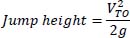
Jumping performance measurementsAll vertical jumping tests were assessed using force plates (Force Decks, Vald Performance, Australia), a validated and reliable device for measuring vertical jump kinematics (Collings et al., 2024; Heishman et al., 2020). The vertical jumping tests were evaluated in the following order: CMJ, CMJ-A, SJ, DJ-40, and DJ-60. All participants performed two attempts of each vertical jumping test with approximately 30s of rest interval between trials and 5 min of rest between jump types. For the CMJ, participants began with their hands on their hips (which had to remain there throughout the test), standing. They were instructed to perform a downward movement to a self-selected depth, followed by a powerful upward movement to achieve the maximum jump height. In contrast, the CMJ-A differed from the CMJ in that participants were allowed to use an arm swing during the jump. Both tests were used to assess lower-limb force production without upper-limb contribution, whereas CMJ-A captured upper- and lower-limb coordination and the transfer of arm-generated momentum abilities that closely mimic the whole-body dynamics of basketball jumping actions. For the SJ, participants performed a downward movement, maintained the position for 3 s, and then executed a fast-upward movement to jump as high as possible without using an arm swing (hands had to remain on their hips throughout the test). For the DJ, participants started with their hands on their hips in a standing position and initiated the drop action. To do so, participants were instructed to "step off" the box (40 cm and 60 cm, respectively) one foot at a time and "jump up as quickly as possible after making contact with the ground, ensuring that the jump is as high as possible." Participants were instructed to complete the contact and landing phases on the force plate. The participant's jump was considered invalid if they elevated their feet during the jump flight, landed behind the force plate, or jumped off the box during the DJ. After each jump, participants returned to the starting position and repeated the procedure twice for a total of two jumps. For CMJ and CMJ-A, the following parameters, including jump height, peak velocity, countermovement depth, and contraction time, were evaluated. The SJ jump height and peak velocity were kept for analysis, while the DJ jump height, contact time, and RSI were considered. The best jump, based on height, was selected for further analysis. The jumping height was determined from force impulse by using the following equation (Hojka et al., 2022):
.where: TOV – vertical velocity of the center of mass at take-off; g=9.81 m·s-2
Change of direction and linear sprint time assessmentThree tests were used to evaluate the COD: the 5-10-5 test (Pro-agility test) and the CODAT test. Linear sprinting performance was measured over distances of 5 and 10 m. In the CODAT test, participants started from a standing position and sprinted 5 m to the first cone. They then made a 45-degree turn and sprinted 3 m to the next cone. After a 90-degree turn, they ran 3 m to the next cone, followed by another 90-degree turn and a 3 m sprint. Finally, after a 45-degree turn, they completed the final 10 m sprints through the finish line equipped with a timing gate. Running times were recorded using timing gates (SmartSpeed Pro, Fusion Sport, Coopers Plains, Australia). The height was set at approximately 0.7 m off the ground, corresponding to participants’ hip height, to avoid the timing gates being triggered prematurely by a swinging arm or leg. Times were measured to the nearest 0.001s. The best running time was kept for further analysis.
Isometric mid-thigh pull force outputThe isometric mid-thigh pull was performed using a force plate (Force Decks, Vald Performance, Australia), and a power rack with adjustable pins to achieve the correct height positioning for each participant. The bar was secured at the appropriate height in a mid-thigh position, with the participant’s knee and hip angles set to 125°–145° and 155°–165°; respectively. Participants completed two maximum-effort pulls each lasting 5 s with a 120 s rest interval between each attempt (Comfort et al., 2019). All participants were instructed to “pull as hard and fast as possible by pushing the ground away” following a countdown, “3, 2, 1 Pull”. Peak force output was recorded at 100 ms and 200 ms.
Statistical analysisAll statistical analyses were performed using JASP (Version 0.18.3; University of Amsterdam, Netherlands), and the data were presented as means with standard deviations (±SD) with their 95% confidence intervals (CI). Statistical significance was set at p < 0.05. The normality of data distribution was checked using the Shapiro–Wilk tests. Jumping and COD performance variables were processed for analysis of covariance (ANCOVA, group effect: ACT vs. DCT), with post-test values as the dependent variable and pre-test values as the covariate. If the homogeneity of regression slopes assumption was violated, the affected variable was analyzed using delta scores (post–pre), and between-group differences were tested with independent-samples t-tests. Effect sizes for ANCOVA were reported as partial eta squared, with interpretations based on established thresholds: 0.01 to 0.059 classified as small, 0.06 to 0.14 as a medium, and values exceeding 0.14 considered large. Cohen’s d was used to quantify the magnitude of within-group pre-post differences, with thresholds interpreted as 0.2 “small,” 0.5 “medium,” and >0.8 as “large” (Cohen, 2013).
Individual pre- and post-changes were presented in Figure 2, while adjusted post-intervention outcomes, including adjusted mean differences between groups and 95% confidence intervals, are summarized in Supplementary Table S1. Countermovement jump without arm swing performanceANCOVA indicated no significant group effects for the following CMJ variables after adjusting for baseline values: CMJJH (F = 1.043, p = 0.322, η2p = 0.061), CMJCD (F = 2.426, p = 0.139, η2p = 0.132), and CMJCT (F = 1.026, p = 0.326, η2p = 0.060). In all models, the covariate (pre-test performance) was a significant or strong predictor (p = 0.007 to <0.001), and non-significant group × covariate interactions (p = 0.129–0.459) confirmed that the assumption of homogeneity of regression slopes was met. An ANCOVA examining post-intervention CMJPV revealed a significant group effect (F = 6.306, p = 0.023, η2p = 0.283) and a strong effect of the covariate (F = 94.617, p < 0.001, η2p = 0.855). However, the significant group × covariate interaction (F = 5.691, p = 0.030, η2p = 0.262) indicated a violation of the homogeneity of regression slopes assumption. The independent samples t-test showed no statistically significant difference in delta scores (post-pre) between groups (t(18) = -2.044, p = 0.056), although the effect size was large (d = 0.93). Mean changes were –0.011 ± 0.028 m/s in the ACT group and +0.066 ± 0.100 m/s in the DCT group, indicating a favorable trend toward improvement in the DCT condition.
Countermovement jump with arm swing performanceANCOVA revealed significant group effects for CMJ-AJH (F = 6.79, p = 0.019, η2p = 0.298) and CMJ-APV (F = 8.891, p = 0.009, η2p = 0.357); however, in both cases, the significant group × covariate interactions (p = 0.033 and p = 0.012, respectively) indicated violations of the homogeneity of regression slopes. Independent-samples t-tests on delta scores showed a trend toward greater improvement in CMJ-AJH (adjusted mean difference = 2.5 cm, 95% CI: -1.09 to 6.10 cm; t(18) = –2.10, p = 0.050, d = 0.96) and a significant difference for CMJ-APV (adjusted mean difference = 0.12 m/s, 95% CI: -0.02 to 0.26 m/s; t(18) = –2.676, p = 0.015, d = 1.22), both favoring DCT. ANCOVA indicated no significant group effects for CMJ-ACD (F = 0.421, p = 0.526, η2p = 0.026) or CMJ-ACT (F = 0.004, p = 0.951, η2p < 0.001). The covariate significantly predicted post-test CMJ-ACD performance (p = 0.002). In contrast, group × covariate interactions were non-significant in both CMJ-ACT (p = 0.660) and CMJ-ACD (p = 0.920), confirming the homogeneity of regression slopes.
Squat jump performanceANCOVA indicated no significant group effects for SJJH (F = 2.457, p = 0.137, η2p = 0.133) or SJPV (F = 2.525, p = 0.132, η2p = 0.136). In both models, the covariates strongly predicted post-test performance (SJJH: F = 209.293, p < 0.001, η2p = 0.929; SJPV: F = 77.646, p < 0.001, η2p = 0.829), and non-significant group × covariate interactions (SJJH: F = 3.157, p = 0.095, η2p = 0.165; SJPV: F = 2.559, p = 0.129, η2p = 0.138) confirmed no differential relationships between baseline and post-intervention performance across groups.
Drop jump performanceANCOVA indicated no significant group effects for DJ40JH (F = 3.852, p = 0.067, η2p = 0.194), DJ40CT (F = 0.550, p = 0.469, η2p = 0.033), or DJ40RSI (F = 0.899, p = 0.357, η2p = 0.053). The covariates showed mixed contributions: baseline DJ40JH was not a significant predictor (F = 62.061, p = 0.795, η2p = 0.020), baseline DJ40CT was also non-significant (F = 1.501, p = 0.238, η2p = 0.086), whereas baseline DJ40RSI significantly predicted post-test scores (F = 5.232, p = 0.036, η2p = 0.246). All group × covariate interactions were non-significant (p = 0.051–0.617; η2p = 0.016–0.218), indicating no evidence of differential relationships between pre- and post-test values across groups. ANCOVA indicated no significant group effects for post-intervention DJ60JH (F = 0.087, p = 0.772, η2p = 0.005), DJ60CT (F = 0.127, p = 0.727, η2p = 0.008), or DJ60RSI (F = 3.335, p = 0.087, η2p = 0.172). The covariates showed variable contributions: baseline DJ60JH was a significant and strong predictor of post-test jump height (F = 14.227, p = 0.002, η2p = 0.471), whereas baseline DJ60CT (F = 0.035, p = 0.854, η2p = 0.002) and baseline DJ60RSI (F = 3.134, p = 0.096, η2p = 0.164) were not significant predictors. All group × covariate interactions were nonsignificant (p = 0.283–0.776; η2p = 0.005–0.072), indicating no evidence of differential pre–post relationships between groups.
Force output during isometric mid-thigh pullANCOVA indicated a significant group effect for post- intervention IMTPF100 (F = 8.347, p = 0.011, η2p = 0.343), whereas no significant group effect was observed for IMTPF200 (F = 2.544, p = 0.130, η2p = 0.137) (Table 3). The covariates showed strong and consistent contributions: baseline IMTPF100 was a significant and strong predictor of post-test IMTPF100 (F = 18.359, p = 5.685×10⁻⁴, η2p = 0.534), and baseline IMTPF200 also significantly predicted post-test IMTPF200 (F = 8.815, p = 0.009, η2p = 0.355). The group × covariate interaction was significant for IMTPF100 (F = 11.466, p = 0.004, η2p = 0.417), indicating different pre–post relationships between groups, whereas the interaction was nonsignificant for IMTPF200 (F = 2.395, p = 0.141, η2p = 0.130), suggesting comparable pre–post relationshipsacross groups. Adjusted mean differences showed higher post-intervention IMTPF100 values in DCT compared with ACT (adjusted mean difference = 1.34 N/kg b.m., 95% CI: -1.47 to 4.15).
Change of direction and linear sprinting performanceANCOVA indicated no significant group effects for post-intervention performance in the 5–10–5 test (F = 6.426, p = 0.022, η2p = 0.287), 5 m sprints (F = 4.503, p = 0.050, η2p = 0.220), 10 m sprints (F = 0.146, p = 0.708, η2p = 0.009), or CODAT (F = 2.184, p = 0.159, η2p = 0.120) (Table 4). The covariates showed variable contributions: baseline 5–10–5 performance was a significant and strong predictor of post-test outcomes (F = 26.265, p = 1.018×10⁻⁴, η2p = 0.621), whereas baseline 5 m sprint time was a moderate predictor (F = 5.563, p = 0.031, η2p = 0.258). In contrast, baseline 10 m sprints (F = 4.292×10⁻⁴, p = 0.984, η2p < 0.001) and baseline CODAT (F = 1.915, p = 0.185, η2p = 0.107) were not significant predictors. All group × covariate interactions were nonsignificant across tests (p = 0.023–0.728; η2p = 0.008–0.284), indicating no evidence of differential pre–and post–relationships between groups.
The primary objective of this study was to compare the effects of two complex training methods on neuromuscular performance in national-level male basketball players. From a conceptual perspective, neuromuscular sequencing models propose that the order in which force- and velocity-oriented stimuli are applied within a session may bias adaptations toward early force expression or velocity-dominant outputs, particularly under conditions of matched volume and intensity. Overall, both training approaches resulted in largely similar adaptations across most performance outcomes. Statistically significant or borderline group effects were observed for CMJ-APV and CMJPV, as well as for IMTPF100. In contrast, no consistent group differences were evident for SJ or DJ performance, nor across the majority of sprinting and COD tests. Although statistically significant group effects were observed for the 5–10–5 test and 5 m sprint time, these effects were not accompanied by corresponding improvements in other sprint or COD tests, suggesting that exercise sequencing had only a limited and task-specific influence on performance adaptations. Although between-group effects were limited, the observed pattern of results is broadly consistent with neuromuscular sequencing models, which propose that resistance- and plyometric-dominant stimuli may emphasize different aspects of force and velocity expression (i.e., distinct motor-unit recruitment and rate-coding strategies). When high-load resistance exercises are performed early in the session (as in DCT), they are executed under lower accumulated fatigue, potentially favoring mechanical tension and early-phase force production (Alix-Fages et al., 2022; Fyfe and Hamilton, 2019). This provides a plausible explanation for the greater tendencies toward improvement observed in early-phase isometric force output (IMTPF100) and CMJ-APV in the DCT group. The IMTPF100 represents an index of early-phase force expression, which is thought to be predominantly influenced by neural factors, such as rapid motor-unit recruitment and initial discharge rate, making it particularly sensitive to exercise sequencing and fatigue-related modulation. Importantly, these effects were not accompanied by consistent changes in jump mechanics or RSI, suggesting that adaptations were specific rather than global. In contrast, initiating sessions with plyometrics (as in ACT) exposes the neuromuscular system to high-velocity SSC actions early in the session, which may theoretically favor rapid motor-unit recruitment, elevated initial discharge rates, and coordination-dependent acceleration under certain conditions (Del Vecchio et al., 2019). Notably, the fatigue profiles elicited by these two exercise types might differ: high-load, low-velocity contractions can restrict intramuscular blood flow and rapidly depress voluntary activation (Zwarts and Arendt-Nielsen, 1988), potentially impairing the quality of subsequent high-velocity movements, whereas plyometrics primarily induce peripheral, SSC-related fatigue that may diminish force production if high-load resistance exercise follows. While this sequencing did not result in consistent between-group advantages for sprinting or COD performance in the present study, it may influence the expression of velocity-oriented tasks under certain conditions. Differences in fatigue profiles between resistance- and plyometric-dominant exercise blocks may partly contribute to these task-specific adaptations; however, given the lack of direct acute measurements, these interpretations remain speculative. Direct comparisons of sequencing methods remain scarce. A recent meta-analysis by Thapa et al. (2024) reported that performance outcomes in tests such as COD and short-distance sprinting were generally comparable regardless of the exercise order within a session (e.g., contrast training vs. DCT vs. ACT), while ACT showed a tendency toward greater improvements specifically in velocity-derived CMJ measures compared with DCT. Nevertheless, research directly comparing the effectiveness of ACT and DCT remains limited. To the best of the authors’ knowledge, only one study has directly contrasted these two methods (Kobal et al., 2017). In that study, both ACT and DCT were similarly effective in improving maximum half-squat strength (46.3% vs. 48.6%, respectively) and CMJ height (14.2% vs. 13%, respectively) over an eight-week training period. Moreover, DCT did not result in significant changes in 10- and 20-m sprint times, whereas ACT produced significant reductions in sprint times across those distances (7% and 6%, respectively). In the present study, while between-group differences were limited and task-specific, the DCT protocol demonstrated advantages for selected neuromuscular outcomes, particularly IMTPF100 and CMJ-APV. Similar to the study by Kobal et al. (2017), the training programs in the present investigation were matched for intensity, volume, and progression, with exercise sequence representing the primary distinguishing factor. In general, exercises performed early within a training session may induce peripheral fatigue, even when not exhaustive, potentially attenuating the adaptive stimulus of the subsequent exercise blocks (Ramirez-Campillo et al., 2020). However, compared with the three sets used by Kobal et al. (2017), the present study employed a moderate volume of approximately 6–8 sets per session performed twice weekly. For trained athletes, such volumes may not be sufficient to substantially impair the execution of subsequent plyometric exercises. Nevertheless, neither in the present study nor in the work of Kobal et al. (2017) directly assessed acute fatigue or potentiation responses (e.g., via immediate post-resistance countermovement jump performance), which limits interpretation of the acute impact of resistance exercise on subsequent plyometric performance. Therefore, the findings of the present study suggest that the DCT protocol, despite plyometric exercises being performed after potentially fatiguing resistance exercises, can result in performance adaptations comparable to those achieved with ACT. Collectively, these findings underscore the need for further research directly examining different CT sequencing strategies (contrast, descending, ascending), including both acute potentiation - fatigue interactions and long-term adaptations, to more clearly identify the contexts in which each approach may be most effective. On the other hand, relatively few studies have directly compared the effectiveness of DCT and ACT with different training methods, especially among trained athletic populations. Much of the available literature focuses on single-mode training approaches or non-athletic participants (Fatouros et al., 2000; Fischetti et al., 2019), making direct comparisons challenging. Moreover, meaningful synthesis across studies is limited by substantial heterogeneity in training volume, intensity, exercise selection, participant characteristics, and the timing of the intervention within the competitive season (e.g., in-season vs. off-season), all of which strongly influence the magnitude and specificity of training adaptations. Nevertheless, meaningful insights can be drawn by examining performance outcomes across studies. The study by Kobal et al. (2017) and Rodriguez-Rosell et al. (2017) examined DCT in soccer players during the in-season period and reported moderate improvements in sprint performance (10 m: ES = 0.69; 20 m: ES = 0.63) and a small-to-moderate increase in CMJ height (from 37.8 ± 3.9 cm to 39.8 ± 4.2 cm; ES = 0.43) after 6 weeks of training (2 sessions per week). Daehlin et al. (2017) applied ACT to ice hockey players over 8 weeks, starting with 2 sessions/week and progressing to 3 sessions/week from week 3 onward. The training featured extremely high volume (43–54 total sets/session, including 12–22 plyometric sets) and intensity ranging from 4RM to 10RM. However, the test battery used differed significantly: jumping was assessed via horizontal tests (e.g., standing long jump, with only minor improvements: 2.59 ± 0.10 m to 2.62 ± 0.08 m, ~1.0%), sprinting with repeated sprint protocols, and aerobic capacity via a hockey-specific skating multistage aerobic test. In contrast, squat 1RM improved markedly (126.7 ± 23.2 kg to 140.0 ± 24.1 kg; +10.8 ± 4.6%). Furthermore, studies conducted in student or non-athletic populations, such as Arabatzi et al. (2010) and Sáez-Sáez De Villarreal et al. (2011), reported moderate to small effects. Arabatzi et al. (2010) used an 8-week DCT protocol (3 sessions/week), with Olympic-style lifts and plyometrics, achieving moderate improvements in SJ (ES = 0.56) and CMJ (ES = 0.62). Sáez-Sáez De Villarreal et al. (2011) reported a small improvement in CMJ (ES = 0.4) following a 7-week program (3 sessions per week) in physical education students. In addition, Fatouros et al. (2000) studied ACT in non-athletic participants over 12 weeks (3 sessions/week). They observed significant gains in CMJ with arm swing height (from 58.8 ± 3 cm to 67.4 ± 2.8 cm) and CMJ with arm swing relative power output (from 43 ± 4.6 to 59.9 ± 5 W/kg), indicating that ACT can yield large effects in untrained populations. In the present study, changes in CMJJH were small, while improvements were primarily evident in CMJ-APV. In contrast, SJ and DJ performance did not differ meaningfully between training sequences. Changes in sprinting and COD performance were variable and task-specific. Although moderate-to-large within-group effect sizes were observed for selected sprint and COD tests, these changes were not consistently reflected across all related measures, nor did they translate into robust and generalized between-group differences after adjustment for baseline performance. Accordingly, the present findings indicate limited and context-dependent adaptations rather than broad improvements in sprinting or COD performance. A unique element of the present intervention was the emphasis on multidirectional, eccentric-focused plyometrics with progressively increasing mechanical demand. Given the multidirectional movement demands of basketball, the plyometric exercises applied in the present study may offer greater task specificity than the predominantly linear plyometric tasks commonly used in previous interventions conducted in ice hockey and soccer players, such as rebound jumps or DJ (e.g., Daehlin et al., 2017; Kobal et al., 2017). From a transfer perspective, multidirectional SSC loading has been proposed to enhance braking capacity, movement adaptability, and stiffness regulation; however, the extent to which these mechanisms contributed to the observed performance adaptations in the present study remains speculative and warrants further investigation. Taken together, the current findings and previous literature indicate that no single exercise sequencing method is universally superior. Rather, ACT and DCT may elicit partially distinct neuromechanical responses depending on the force-velocity characteristics emphasized at the beginning of the training session. When training volume and intensity are matched, exercise sequencing is likely to modify fatigue profiles, which may, in turn, influence motor-unit recruitment strategies, tendon stiffness modulation, and central drive. Studies applying DCT, particularly among athletes (e.g., Kobal et al., 2017; Rodríguez-Rosell et al., 2017), generally report moderate, task-specific improvements in selected jump and sprint-related outcomes under relatively low training volumes. In contrast, when ACT and DCT interventions are applied with moderate training volume and high relative intensity, as in the present study and that of Kobal et al. (2017), adaptations appear to be predominantly task-specific rather than generalized. In the present study, improvements were primarily evident in IMTPF100 and CMJ-APV, whereas sprinting and COD outcomes showed variable responses across tests and, despite moderate-to-large within-group effect sizes for selected measures, did not result in consistent between-group differences. Furthermore, the absence of group differences in DJ performance, despite changes in IMTPF100, supports the notion that improvements in early force development do not necessarily transfer to RSI. This study has several limitations. The nonrandomized allocation of participants introduces potential selection bias, and the relatively small final sample size (n = 20) limits statistical power and generalizability. Additionally, the study included only national-level male basketball players assessed during the off-season, which restricts the applicability of the findings to other populations and training phases. The absence of a non-training control group limits the ability to attribute observed changes solely to the effects of ACT or DCT, as some improvements may have been influenced by regular basketball practice or natural variability in off-season performance. Moreover, mechanistic measures (e.g., electromyography, motor-unit behavior, tendon stiffness, corticospinal excitability) and objective fatigue monitoring were not included, rendering interpretations of underlying neuromechanical mechanisms and intra-session fatigue effects inferential. Future studies should adopt randomized controlled designs, incorporate mechanistic and fatigue assessments, and use a priori sample size estimation to more precisely isolate the effects of complex training sequencing. Practical applicationsBoth ACT and DCT protocols can be effectively implemented during the off-season in national-level basketball players when training volume and intensity are equated. Practitioners should not expect substantial or generalized differences in sprinting, COD, or jumping performance resulting solely from exercise sequencing. However, exercise order may influence specific neuromuscular qualities, as DCT protocol was associated with greater improvements in early-phase isometric force production (IMTP at 100 ms) and CMJ-APV. Therefore, coaches may select ACT or DCT based on targeted neuromuscular objectives, logistical constraints, and athlete preference. Exercise sequencing should be considered a fine-tuning variable within CT programs, complementing appropriate load prescription, movement specificity, and overall training structure.
The present study demonstrated that ACT and DCT protocols induce largely comparable adaptations in jumping, sprinting, and COD performance in national-level male basketball players when training volume and intensity are matched. Exercise sequencing did not result in generalized performance advantages across athletic tasks. Nevertheless, DCT protocol led to greater improvements in early-phase isometric force production and CMJ-APV with arm swing, indicating that exercise order may selectively influence rapid force expression. These findings suggest that exercise sequencing within CT acts as a secondary programming variable, refining specific neuromuscular qualities rather than determining overall performance outcomes.
| ACKNOWLEDGEMENTS |
The datasets generated during the current study are not publicly available but are available from the corresponding author upon reasonable request. The authors declare that they have no conflict of interest. All experimental procedures were conducted in compliance with the relevant legal and ethical standards of the country where the study was carried out. The authors declare that no Generative AI or AI-assisted technologies were used in the writing of this manuscript. |
|
| AUTHOR BIOGRAPHY |
|
 |
Kazimierz Mikołajec |
| Employment: Institute of Sport Sciences, The Jerzy Kukuczka Academy of Physical Education in Katowice, Poland |
| Degree: Assoc. Prof. |
| Research interests: Strength and conditioning training, basketball, team sport |
| E-mail: k.mikolajec@awf.katowice.pl |
| |
 |
Jakub Jarosz |
| Employment: Institute of Sport Sciences, The Jerzy Kukuczka Academy of Physical Education in Katowice, Poland |
| Degree: PhD |
| Research interests: Strength and conditioning training, post-activation performance enhancement, isometric training |
| E-mail: j.jarosz@awf.katowice.pl |
| |
 |
Michał Krzysztofik |
| Employment: Institute of Sport Sciences, The Jerzy Kukuczka Academy of Physical Education in Katowice, Poland |
| Degree: Full Professor |
| Research interests: Strength and conditioning training, post-activation performance enhancement, ergogenic aids |
| E-mail: m.krzysztofik@awf.katowice.pl |
| |
 |
Petr Stastny |
| Employment: Charles University, Faculty of Physical Education and Sport |
| Degree: Doc.; Ph.D. |
| Research interests: Strength training and conditioning, biomechanics, ice-hockey, team sport |
| E-mail: stastny@ftvs.cuni.cz |
| |
 |
Michał Spieszny |
| Employment: Institute of Sport Sciences, University School of Physical Education in Krakow, Poland |
| Degree: Assoc. Prof. |
| Research interests: strength training and conditioning, control of the training process, team sport |
| E-mail: michal.spieszny@awf.krakow.pl |
| |
|
| |
| REFERENCES |
 Alemdaroğlu, U., Dündar, U., Köklü, Y., Aşci, A., Findikoğlu, G. (2013) The effect of exercise order incorporating plyometric and resistance training on isokinetic leg strength and vertical jump performance: A comparative study. Isokinetics and Exercise Science 21(3), 211-217. Crossref |
Alix-Fages, C., Del Vecchio, A., Baz-Valle, E., Santos-Concejero, J., Balsalobre-Fernández, C. (2022) The role of the neural stimulus in regulating skeletal muscle hypertrophy. European Journal of Applied Physiology 122(5), 1111-1128. Crossref |
Allen, D.G., Lamb, G.D., Westerblad, H. (2008) Skeletal muscle fatigue: Cellular mechanisms. Physiological Reviews 88(1), 287-332. Crossref |
Arabatzi, F., Kellis, E., Sáez-Sáez, De, Villarreal, E. (2010) Vertical jump biomechanics after plyometric, weight lifting, and combined (weight lifting + plyometric) training. Journal of Strength and Conditioning Research 24(9), 2440-2448. Crossref |
Branscheidt, M., Kassavetis, P., Anaya, M., Rogers, D., Huang, H.D., Lindquist, M.A., Celnik, P. (2019) Fatigue induces long-lasting detrimental changes in motor-skill learning. eLife 8, e40578. Crossref |
Cohen, J (2013) . (2013) Statistical power analysis for the behavioral sciences. Elsevier Science. Crossref |
Collings, T.J., Lima, Y.L., Dutaillis, B., Bourne, M.N. (2024) Concurrent validity and test-retest reliability of VALD ForceDecks’ strength, balance, and movement assessment tests. Journal of Science and Medicine in Sport 27(6), 572-580. Crossref |
Comfort, P., Dos’Santos, T., Beckham, G.K., Stone, M.H., Guppy, S.N., Haff, G.G. (2019) Standardization and methodological considerations for the isometric midthigh pull. Strength and Conditioning Journal 41(2), 57-79. Crossref |
Cormie, P., McGuigan, M.R., Newton, R.U. (2011) Developing maximal neuromuscular power: Part 2 - Training considerations for improving maximal power production. Sports Medicine 41(2), 125-146. Crossref |
Cormier, P., Freitas, T.T., Loturco, I., Turner, A., Virgile, A., Haff, G.G., Bishop, C. (2022) Within session exercise sequencing during programming for complex training: Historical perspectives, terminology, and training considerations. Sports Medicine 52(11), 2371-2389. Crossref |
Cormier, P., Freitas, T.T., Rubio-Arias, J.Á., Alcaraz, P.E. (2020) Complex and contrast training: Does strength and power training sequence affect performance-based adaptations in team sports? A systematic review and meta-analysis. Journal of Strength and Conditioning Research 34(5), 1461-1479. Crossref |
Dæhlin, T.E., Haugen, O.C., Haugerud, S., Hollan, I., Raastad, T., Rønnestad, B.R. (2017) Improvement of ice hockey players’ on-ice sprint with combined plyometric and strength training. International Journal of Sports Physiology and Performance 12(7), 893-900. Crossref |
Del Vecchio, A., Negro, F., Holobar, A., Casolo, A., Folland, J.P., Felici, F., Farina, D. (2019) You are as fast as your motor neurons: Speed of recruitment and maximal discharge of motor neurons determine the maximal rate of force development in humans. The Journal of Physiology 597(9), 2445-2456. Crossref |
Dobbs, C.W., Gill, N.D., Smart, D.J., McGuigan, M.R. (2015) The training effect of short term enhancement from complex pairing on horizontal and vertical countermovement and drop jump performance. Journal of Strength and Conditioning Research. Crossref |
Dos’Santos, T., Cowling, I., Challoner, M., Barry, T., Caldbeck, P. (2022) What are the significant turning demands of match play of an English Premier League soccer team? Journal of Sports Sciences 40(15), 1750-1759. Crossref |
Dos’Santos, T., Thomas, C., Comfort, P., Jones, P.A. (2018) The effect of angle and velocity on change of direction biomechanics: An angle-velocity trade-off. Sports Medicine 48(10), 2235-2253. Crossref |
Fatouros, I.G., Jamurtas, A.Z., Leontsini, D., Taxildaris, K., Aggelousis, N., Kostopoulos, N., Buckenmeyer, P. (2000) Evaluation of plyometric exercise training, weight training, and their combination on vertical jumping performance and leg strength. Journal of Strength and Conditioning Research 14(4), 470-476. Crossref |
Fischetti, F., Cataldi, S., Greco, G. (2019) A combined plyometric and resistance training program improves fitness performance in 12 to 14-years-old boys. Sport Sciences for Health 15(3), 615-621. Crossref |
Folland, J.P., Williams, A.G. (2007) The adaptations to strength training: Morphological and neurological contributions to increased strength. Sports Medicine 37(2), 145-168. Crossref |
Fyfe, J.J., Hamilton, D.L. (2019) Spinal cord-level adaptations to resistance training: The ‘backbone’ of early strength gains? The Journal of Physiology 597(11), 2833-2834. Crossref |
Harper, D.J., Carling, C., Kiely, J. (2019) High-intensity acceleration and deceleration demands in elite team sports competitive match play: A systematic review and meta-analysis of observational studies. Sports Medicine 49(12), 1923-1947. Crossref |
Heishman, A.D., Daub, B.D., Miller, R.M., Freitas, E.D., Frantz, B.A., Bemben, M.G. (2020) Countermovement jump reliability performed with and without an arm swing in NCAA Division I intercollegiate basketball players. Journal of Strength and Conditioning Research 34(2), 546-558. Crossref |
Hojka, V., Šťastný, P., Tufano, J.J., Omcirk, D., Janikov, M.T., Komarc, M., Jebavý, R. (2022) Does a linear position transducer placed on a stick and belt provide sufficient validity and reliability of countermovement jump performance outcomes? Biology of Sport 39(2), 341-348. Crossref |
Kobal, R., Loturco, I., Barroso, R., Gil, S., Cuniyochi, R., Ugrinowitsch, C., Tricoli, V. (2017) Effects of different combinations of strength, power, and plyometric training on the physical performance of elite young soccer players. Journal of Strength and Conditioning Research 31(6), 1468-1476. Crossref |
Krzysztofik, M., Wilk, M., Pisz, A., Kolinger, D., Bichowska, M., Zajac, A., Stastny, P. (2023) Acute effects of high-load vs. plyometric conditioning activity on jumping performance and the muscle-tendon mechanical properties. Journal of Strength and Conditioning Research 37(7), 1397-1403. Crossref |
Martinho, D.V., Clemente, F.M., Ángel-Gomez, M., Rebelo, A., Field, A., Santos, C.C., Sarmento, H. (2025) Physical, physiological, technical and tactical responses according to the playing position in male basketball: A systematic scoping review. Journal of Human Kinetics 96(Spec Issue), 5. Crossref |
McKay, A.K., Stellingwerff, T., Smith, E.S., Martin, D.T., Mujika, I., Goosey-Tolfrey, V.L., Burke, L.M. (2021) Defining training and performance caliber: A participant classification framework. International Journal of Sports Physiology and Performance 17(3), 317-331. Crossref |
Montgomery, P.G., Pyne, D.B., Minahan, C.L. (2010) The physical and physiological demands of basketball training and competition. International Journal of Sports Physiology and Performance 5(1), 75-86. Crossref |
Morel, B., Lapole, T., Liotard, C., Hautier, C. (2019) Critical peripheral fatigue thresholds among different force-velocity conditions: An individual-based model approach. Frontiers in Physiology 10, 875. Crossref |
Pérez-Chao, E.A., Portes, R., Gómez, M.Á., Parmar, N., Lorenzo, A., Jiménez-Sáiz, S.L. (2023) A narrative review of the most demanding scenarios in basketball: Current trends and future directions. Journal of Human Kinetics 89(1), 231. |
Peake, J.M., Neubauer, O., Della Gatta, P.A., Nosaka, K. (2017) Muscle damage and inflammation during recovery from exercise. Journal of Applied Physiology 122(3), 559-570. Crossref |
Philipp, N.M., Nijem, R.M., Cabarkapa, D., Hollwedel, C.M., Fry, A.C. (2024) Investigating the stretch-shortening cycle fatigue response to a high-intensity stressful phase of training in collegiate men’s basketball. Frontiers in Sports and Active Living 6, 1377528. Crossref |
Ramirez-Campillo, R., Alvarez, C., Gentil, P., Loturco, I., Sanchez-Sanchez, J., Izquierdo, M., Granacher, U. (2020) Sequencing effects of plyometric training applied before or after regular soccer training on measures of physical fitness in young players. Journal of Strength and Conditioning Research 34(7), 1959-1966. Crossref |
Robinson, G., O’Donoghue, P. (2008) A movement classification for the investigation of agility demands and injury risk in sport. International Journal of Performance Analysis in Sport 8(2), 127-144. Crossref |
Rodríguez-Rosell, D., Torres-Torrelo, J., Franco-Márquez, F., González-Suárez, J.M., González-Badillo, J.J. (2017) Effects of light-load maximal lifting velocity weight training vs. combined weight training and plyometrics on sprint, vertical jump and strength performance in adult soccer players. Journal of Science and Medicine in Sport 20(6), 695-699. Crossref |
Ruas, C.V., Latella, C., Taylor, J.L., Haff, G.G., Nosaka, K. (2022) Comparison between eccentric-only and coupled concentric-eccentric contractions for neuromuscular fatigue and muscle damage. Medicine and Science in Sports and Exercise 54(10), 1635-1646. Crossref |
Sáez-Sáez De Villarreal, E., Izquierdo, M., Gonzalez-Badillo, J.J. (2011) Enhancing jump performance after combined vs. maximal power, heavy-resistance, and plyometric training alone. Journal of Strength and Conditioning Research 25(12), 3274-3281. Crossref |
Simão, R., De Salles, B.F., Figueiredo, T., Dias, I., Willardson, J.M. (2012) Exercise order in resistance training. Sports Medicine 42(3), 251-265. Crossref |
Thapa, R.K., Uysal, H.Ş., Clemente, F.M., Afonso, J., Ramirez-Campillo, R. (2024) Effects of complex training compared to resistance training alone on physical fitness of healthy individuals: A systematic review with meta-analysis. Journal of Sports Sciences 42(12), 1367-1389. Crossref |
Thapa, R.K., Weldon, A., Freitas, T.T., Boullosa, D., Afonso, J., Granacher, U., Ramirez-Campillo, R. (2024) What do we know about complex-contrast training? A systematic scoping review. Sports Medicine - Open 10(1), 104. Crossref |
Zwarts, M.J., Arendt-Nielsen, L. (1988) The influence of force and circulation on average muscle fibre conduction velocity during local muscle fatigue. European Journal of Applied Physiology and Occupational Physiology 58(3), 278-283. Crossref |
|
| |
|
|
|
|