|
|
|
| |
| ABSTRACT |
|
Based on the muscle synergy theory, this study aimed to investigate the lower limb coordination strategies and their individual variations during table tennis players’ forehand topspin strokes. Surface electromyography (sEMG) signals were recorded from eight ipsilateral lower limb muscles in ten players. Non-negative matrix factorization (NMF) was applied to extract motor module composition and temporal activation patterns. Inter-individual similarity was evaluated using K-means clustering and cosine similarity. The results showed that: (1) Lower limb muscle synergy modules could be classified into three clusters: Cluster 1 (rectus femoris/vastus medialis), Cluster 2 (gluteus maximus/ gluteus medius/ biceps femoris/ tibialis anterior), and Cluster 3 (lateral gastrocnemius/ soleus). The composition of motor modules exhibited high inter-individual similarity across clusters, with Cluster 2 demonstrating significantly greater consistency than other clusters (p < 0.01); (2) Cluster 2 and Cluster 1 reached peak activation during the early and mid-late forward phases, respectively, while Cluster 3 showed double peak activation during the backswing and backward phases. Considerable inter-individual variability was observed in temporal activation patterns, with Cluster 2 demonstrating significantly lower similarity than Cluster 3 (p < 0.01); (3) Activation areas differed significantly between stroke phases, with Cluster 2 greater than Cluster 3 in forward phase, while Cluster 3 higher than Cluster 2 in backward phase. The findings indicated that: The lower limb utilized three fundamental muscle synergy patterns during table tennis forehand topspin strokes. These synergies demonstrated phase-specific functional roles while maintaining temporal coordination. Athletes can optimize their performance by precisely adjusting temporal parameters while maintaining a standardized lower-limb movement structure, a regulatory capability particularly evident during the forward phase. |
| Key words:
Table tennis, muscle synergy, non-negative matrix factorization, lower limb, motor module, temporal activation
|
Key
Points
- During table tennis forehand topspin stroke, the lower limb muscles exhibited three fundamental synergistic patterns.
- The three synergy patterns demonstrate phased specialization, activate multiple times within a single cycle, and work together in a dynamic interplay.
- Athletes can optimize performance by precisely adjusting temporal parameters while maintaining a standardized lower-limb movement structure, a regulatory capability particularly evident during the forward phase.
|
Table tennis is a widely popular competitive sport. Characterized by high speed, strong spin, and dynamic variations, it demands players to execute strokes with both rapidity and precision. This necessitates not only advanced technical and tactical proficiency but also well-developed neuromuscular coordination and control (Xiong et al., 2022). The table tennis stroke is a complex multi-joint kinetic segment-chain movement, involving the coordinated activation of multiple muscle groups across different phases of the motion (Bańkosz et al., 2020). The accurate execution of these technical movements relies heavily on the synergistic interaction of the neuromuscular system. During the stroke, the lower limbs serve as the foundation of the kinetic segment-chain. Elite table tennis players efficiently utilize sequential movements of the ankle, knee, and hip joints to transfer energy generated from the lower limbs through axial trunk rotation to the upper limbs (Bańkosz and Winiarski, 2018), thereby enhancing stroke quality (Chen et al., 2022). Consequently, the coordinative capacity of lower limb muscles is a critical determinant of stroke effect. In practice, however, coaches still rely predominantly on conventional visual observation to evaluate players’ movement coordination. This method is not quantifiable and fails to reveal the underlying neural strategies governing muscle control. Consequently, coaches struggle to pinpoint the root causes of technical deficiencies, such as muscular redundancy, faulty activation sequences, or compensatory movements, which impedes the development of precise and individualized training programs. The muscle synergy hypothesis is an important theory that explains how the central nervous system (CNS) coordinates multiple muscles to generate coordinated movement, providing a key theoretical framework for understanding motor coordination (Mussa-Ivaldi, 1988). Its core premise is that the CNS does not control each muscle independently, but rather combines a small number of pre-defined muscle synergy modules to effectively reduce complexity and redundancy in motor control, thereby achieving efficient organization and regulation of multi-muscle activity. This mechanism is considered a fundamental strategy employed by the nervous system to address the "degrees of freedom problem". The CNS primarily coordinates movement execution through two modes: (1) selectively activating specific muscle modules, and (2) regulating a set of fundamental functional modules, each consisting of weighted interactions among multiple muscles. These modules achieve motor coordination by working together through temporal and spatial synchronization to complete specific motor tasks (Safavynia et al., 2011). By decomposing surface electromyography (sEMG) signals from multiple muscles, muscle synergy patterns can be extracted and represented as motor modules (weights assigned to each muscle) and motor primitives (degree of activation over time) (Cheung et al., 2009). This allows for a quantitative analysis of the modular organization principles of the CNS during different motor tasks, thereby revealing the underlying coordination strategies. The muscle synergy theory has been widely applied in sports science, revealing both commonalities and specific characteristics in neuromuscular control across different sports. Research indicates that human motor control relies on flexible combinations of shared synergy modules and task-specific modules (Mussa-Ivaldi, 1988). On one hand, the central nervous system adapts to various task demands using a limited set of synergy modules. For instance, athletes demonstrate highly similar synergy patterns during frog jumping, swimming, and walking (d’Avella et al., 2003), and cyclists exhibit shared synergy patterns in lower limb movements (Hug et al., 2010). On the other hand, specific technical movements require unique synergy modules to meet their biomechanical demands, such as the coordinated activation of rotator cuff and trunk rotation muscles during baseball pitching (Aoyama et al., 2022), the synergistic coordination of upper and lower limbs along with core muscles in basketball shooting (Fan et al., 2024), and the phase-dependent synergy of supraspinatus, serratus anterior, and infraspinatus muscles during badminton overhead smashes (Barnamehei et al., 2018). However, muscle synergy patterns show inter-individual variability when performing identical motor tasks, attributable to differences in athletic experience, physiological structure, or technical style (Mussa-Ivaldi, 1988). For example, skilled gymnasts show individualized timing and intensity of muscle activation during high-bar swings (Frère and Hug, 2012), and while expert baseball pitchers share fundamental synergy modules during pitching, their temporal activation patterns of upper limb muscles exhibit individual variations (Aoyama et al., 2022). These differences reflect the nervous system's capacity to maintain functional flexibility in local muscle activation to achieve functional goals, thereby balancing stability and adaptability in motor control. As an open-skill sport, lower-limb coordination control in table tennis comprises three continuous phases: backswing, forward, and backward, each imposing distinct demands on synergy strategies (Tian and Xiao, 2024). The backswing phase is characterized by moderate lower-limb flexion and a backward shift of the body center of gravity to the rear foot, preloading the body for subsequent force generation. The forward phase requires a rapid lower-limb extension coordinated with trunk rotation to facilitate the transfer of momentum from the lower to upper body. The backward phase demands quick adjustments in footwork and body position to prepare for the next stroke (He et al., 2022). The execution of this action may rely on the recruitment of both shared synergy modules and task-specific modules; however, the underlying lower-limb synergy mechanisms remain unclear. Furthermore, inter-individual differences in muscle synergy patterns are observed even when performing the same motor task. These differences, potentially arising from factors such as training experience, body structure, or technical style, manifest as personalized adaptations in the synergy structure or activation timing. For instance, skilled gymnasts exhibit individualized muscle activation patterns during high-bar swings (Frère and Hug, 2012), and baseball pitchers, while sharing basic synergy modules, show individual variations in the activation timing of upper-limb muscles (Aoyama et al., 2022). In table tennis strokes, differences among athletes in backswing amplitude, force application during the forward, and backward rhythm may also lead to personalized characteristics in the recruitment order, intensity modulation, and phase transition strategies of lower-limb synergy modules (Bańkosz and Winiarski, 2020). This flexibility reflects the nervous system's adaptive regulation of local muscle control to achieve functional goals, thereby establishing a dynamic balance between stability and variability. Consequently, a deep understanding and targeted development of individualized muscle synergy patterns are crucial for enhancing stroke quality and movement stability in athletes. The forehand topspin stroke, one of the most frequently used and aggressive offensive techniques in table tennis (Bańkosz et al., 2020), plays a crucial role in winning matches. The effectiveness of this movement is highly dependent on efficient and coordinated control initiated from the lower limbs, particularly during the force generation and transmission. However, a systematic understanding of the structural characteristics of lower-limb synergy patterns and their individual variations during players’ forehand topspin stroke, from the perspective of muscle synergy theory, remains lacking (Mussa-Ivaldi, 1988). Therefore, based on the muscle synergy theory, this study collected surface electromyography (sEMG) signals from the lower limbs of table tennis players during the forehand topspin strokes to extract the corresponding muscle synergy patterns. It aims to systematically analyze the coordination strategies across the movement, focusing on both the composition of motor modules and their temporal activation patterns, and to compare individual variations among athletes, thereby providing both a theoretical basis and practical guidance for making targeted training programs for athletes. ParticipantsTen right-handed male table tennis players were randomly recruited from China Table Tennis College (Age: 20.70 ± 2.00 years; Height: 177.80 ± 5.80 cm; Weight: 71.75 ± 7.54 kg; Training experience: 12.80 ± 2.96 years; Skill level: National Grade one). The handedness of players was established according to which hand was used to hold the racket, and the foot on the same side with the handedness was considered as the footedness (Peters and Murphy, 1992). The inclusion criteria for participants were: (1) in good health condition, (2) no lower limb joint injuries within the past three months, and (3) capable of performing moderate-to-high intensity exercise training. This study followed the guidelines of the Declaration of Helsinki and was approved by the Ethics Committee of Shanghai University of Sport (Approval No.: 102772024RT1780). Prior to the experiment, all participants were informed of the testing procedures and provided written informed consent.
Data collection instrumentsTo investigate lower limb muscle synergy during forehand topspin strokes in table tennis players, both kinematic and electromyographic (EMG) data were collected. The experimental ball was DHS D40+ (3-star) of Double Happiness Company (DHS). The table and rackets used in this experiment were Rainbow table made by DHS and Timo Boll-ZLCarbon, separately. The racket was wrapped with red rubber on one side while black on the other side. A Serving machine (V-989H, Nittaku) was employed for ball delivery at a frequency of 25 balls per minute, with parameters set as follows: upper wheel rotation speed at level 7 (10-level scale, higher numbers indicating faster speed) and lower wheel rotation at level 3. And it was positioned approximately 30-40 cm directly behind the center of the table’s end line, with the ball outlet around 100 cm above the ground. Kinematic data were collected using a Qualisys 3D motion capture system (Oqus700+, Qualisys, Gothenburg, Sweden) at 200 Hz sampling frequency. A total of 50 reflective markers (14mm diameter infrared spheres) were attached to participants. The captured motion data were processed in Visual 3D software (C-Motion, Inc., Germantown, MD, USA) for modeling, with the stroke process divided into three phases: (A) backswing, (B) forward, and (C) backward (Figure 1) (Zheng et al., 2021). EMG signals were recorded using a wireless surface EMG system (NORAXON, USA) at 2000 Hz sampling frequency, capturing muscle activity from eight lower limb muscles on the right during stroke execution (Iino, 2022): gluteus maximus (GMax), gluteus medius (GMed), biceps femoris (BF), rectus femoris (RF), vastus medialis (VM), tibialis anterior (TA), lateral gastrocnemius (LG), and soleus (Sol) (Figure 2).
Experimental set upThe experiment was conducted in the Biomechanics Laboratory at Shanghai University of Sport. The Qualisys 3D motion capture system and NORAXON surface electromyography (sEMG) system were used to synchronously collect kinematic data and lower limb muscle EMG data during table tennis players’ forehand topspin strokes. The two systems were synchronized using a trigger synchronization box. The experimental setup was shown in Figure 3.
Experimental protocolThe experimental flowchart was illustrated in Figure 4. Prior to data collection, the high-speed motion capture system was calibrated using an L-shaped calibration frame. Participants then donned compression shirts and shorts, after which research staff attached markers and EMG sensors on relevant anatomical landmarks according to the musculoskeletal model. Before sensor placement, the skin was prepared by cleaning and shaving to reduce impedance at the electrode-skin interface. Surface EMG sensors containing four silver-bar electrodes (diameter: 1mm, length: 10mm, inter-electrode distance: 10mm) were then attached to the eight target muscles shown in Figure 2. After 5-minute warm-up, each participant was asked to perform five forehand high-quality topspin strokes during the formal test, with 30-second rest interval between each trial. Strokes with the ball hitting the net or out of the table were considered to be invalid.
Data analysisThe EMG signals were processed using MATLAB software (MathWorks, 2024b, USA). The EMG signals from the eight muscles were processed through the following steps: band-pass filtering (20-450Hz), high-pass filtering using a fourth-order digital Butterworth filter with a cutoff frequency of 40 Hz (Messier et al., 2005), and full-wave rectification. Signal smoothing was then performed through low-pass filtering with a fourth-order digital Butterworth filter at a 15 Hz cutoff frequency (Goryachev et al., 2011). The duration of each stroke (from backswing initiation to backward completion) was normalized to 201 data points using cubic spline interpolation (Aoyama et al., 2022). The raw signals were normalized relative to the peak amplitude of each trial, and the averaged values were calculated across five repeated trials.
Non-negative Matrix Factorization (NMF)The non-negative matrix factorization (NMF) algorithm was employed to analyze muscle synergies from surface electromyography (sEMG) signals in this study. The EMG signals from eight muscles were normalized to balance the variability of muscle activity levels, facilitating subsequent extraction of motor module composition and their temporal activation patterns. The analysis was performed using MATLAB's Statistics and Machine Learning Toolbox, following the mathematical model proposed by d'Avella (d’Avella et al., 2003), as shown in Equation 1. In this model, Wi represents the contribution weight (ranging [0, 1]) of each muscle within the i-th motor module, while ci reflects the temporal activation patterns of the corresponding motor module.
 |
Equation 1 |
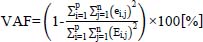
This study adopted a multi-dimensional optimization approach to comprehensively evaluate computational results across different numbers of motor modules (ranging from 1 to 7) to determine the optimal number of modules. The algorithm's termination conditions were set as follows: the computation ceased when either the sum of squared reconstruction errors fell below 10-6 or the number of iterations reached 500 (Israely et al., 2017). To enhance the reliability of the results, each decomposition dimension was subjected to 20 independent computational repetitions to effectively mitigate the risk of local optima (Hagio et al., 2021). Additionally, the variance accounted for (VAF) was calculated to quantify the goodness of fit between the measured and reconstructed data for each number of modules. The optimal number of modules was defined as the minimum number of modules that achieved a VAF greater than 90%, with additional modules contributing less than 5% to the VAF (Frère and Hug, 2012). The VAF was calculated using the following formula:
 |
Equation 2 |
Here, Ei, j corresponds to the actual EMG signal of the i-th muscle channel at time sample j, while ei,j represents the reconstructed EMG signal generated from the linear combination of synergy activation coefficients and synergy vectors. The parameters p and n are the number of muscle channels and time samples, respectively. The numerator sums the squared residuals between the original and reconstructed signals across all muscles and time points, whereas the denominator reflects the total variance in the original EMG data.
Cluster analysisBased on the similarity of muscle composition, the motor modules of 10 athletes were clustered using k-means analysis (Steele et al., 2015). The maximum number of iterations was set to 50 (Kuntze et al., 2018). To account for the influence of initial cluster centroids on the k-means solution, the clustering procedure was repeated 10 times with different initial centroids (Kuntze et al., 2018).
Testing the similarity of motor module compositionCosine similarity (CS) analysis was employed to examine the similarity of motor module composition among athletes (Hagio et al., 2021). CS represents the inner product of two paired module composition vectors normalized to unit length, which corresponds to the cosine of the angle between the vectors. Values closer to 1 indicate higher similarity. The CS value was calculated for motor module composition between every pair of athletes. Two motor modules with CS > 0.8 were defined as similar (Oliveira et al., 2014).
Temporal activation patternsThe similarity of temporal activation patterns among athletes was calculated using the same method as for motor module composition similarity. The contribution of each cluster to each stroke phase was determined by calculating the percentage of the area under the activation curve (activation area) for each phase relative to the total activation area.
Statistical analysisAll statistical analyses were performed using SPSS 26.0 (IBM Corp., Armonk, NY, USA), with the significance level set at α = 0.05. The Friedman test was employed to analyze the differences in module composition and temporal activation pattern similarity among clusters, as well as the differences in activation area across different stroke phases within each cluster. Bonferroni correction was applied for multiple comparisons.
Number of motor modulesThe EMG activities were analyzed using non-negative matrix factorization (NMF), and the average VAF values for 1-7 motor modules across all 10 athletes were calculated, as shown in Figure 5 (data presented as mean ± standard deviation). The results demonstrated that when three motor modules were employed, all 10 table tennis players exhibited VAF values exceeding 90% (mean = 93.8%, SD = 1.91). Notably, three athletes achieved a VAF value exceeding 90% VAF using only two motor modules. Consequently, a total of 27 motor modules were ultimately extracted (two modules each for these three athletes and three modules each for the remaining seven athletes).
Composition of the motor modulesThe optimal number of clusters (k) was determined by calculating silhouette scores for different k-values in the cluster analysis (Oliveira et al., 2014), with the k-value yielding the highest mean silhouette score identified as the optimal solution (Table 1). When the cluster number k was set to 3, the highest silhouette score was achieved (Table 1), indicating that a motor module number of 3 most closely approximates the actual muscle synergy patterns in athletes. Based on the optimal clustering results, the composition of the three identified motor modules was further analyzed, as shown in Figure 6. This figure illustrated the weight distribution of eight lower limb muscles within the motor modules across all 10 athletes (data presented as mean ± standard deviation). Specifically, Cluster 1 showed higher activation weights in the RF and VM, Cluster 2 exhibited greater activation weights in the GMax, GMed, BF, and TA, and Cluster 3 demonstrated predominant activation weights in the LG and Sol.
Inter-individual similarity of motor module compositionThe similarity of motor module composition among all athletes was evaluated using cosine similarity (CS) analysis, with the results presented in Figure 7. Each cell in the figure represents the CS value between every pair of motor modules. Results revealed that athletes within Cluster 2 exhibited the highest degree of similarity in motor module composition, while those in Clusters 1 and 3 demonstrated relatively lower inter-individual similarity. Friedman test was used to compare the distributions of cosine similarity (CS) values between two individual athletes within each cluster, with the results presented in Figure 8. The results revealed that the inter-individual similarity in Cluster 2 (CS = 0.92) was significantly higher than that in both Cluster 1 (CS = 0.82) and Cluster 3 (CS = 0.80) (F (2, 242) = 16.929, p < 0.001).
Temporal activation patternThe temporal activation patterns corresponding to the motor modules, as derived via the NMF algorithm, were shown in Figure 9. The results revealed that the muscle activation intensities of motor modules within all three clusters peaked during different phases of the stroke. Cluster 1 reached peak activation during the mid-to-late forward phase, Cluster 2 showed peak activation in the early forward phase, and Cluster 3 demonstrated a biphasic activation pattern, peaking during both backswing and backward phases.
Inter-individual similarity of temporal activation patternsThe similarity of temporal activation patterns among all athletes was evaluated using cosine similarity (CS) analysis, with the results presented in Figure 10. The results showed that all three clusters exhibited moderate inter-individual similarity in temporal activation patterns (CS range: 0.6-0.8). Cluster 2 (CS = 0.63) demonstrated significantly lower similarity compared to Cluster 3 (CS = 0.80) (F (2, 242) = 10.993, p < 0.01).
Activation areas of different clusters across different stroke phasesFriedman test was used to compare the differences in activation areas among clusters across different stroke phase, with the results presented in Figure 11. The results revealed that during the backswing phase, the activation areas of all clusters were relatively uniform, with no significant differences observed among them (p > 0.05). In the forward phase, the activation area of Cluster 2 was significantly larger than that of Cluster 3 (p < 0.05), while no significant differences were detected between Cluster 1 and Clusters 2 or 3. During the backward phase, the activation area of Cluster 3 was significantly greater than that of Cluster 2 (p < 0.05).
This study employed NMF-based muscle synergy analysis to extract three fundamental motor modules underlying lower limb muscle activity during forehand topspin strokes in table tennis players. The results indicate that all athletes' lower-limb synergy patterns can be categorized into three functional clusters, with the silhouette score from cluster analysis confirming the validity of this classification. This suggests that the CNS primarily simplifies motor control through these three basic modules (Mussa-Ivaldi, 1988). Regarding module utilization, seven athletes fully recruited all three modules during the stroke, while the remaining three athletes used only two of the three modules, which reflects individual variations in motor execution. Further analysis revealed that the three motor modules exhibit distinct functional specialization across different phases of the stroke: (1) during the backswing phase, the movement of lower limbs was coordinated by Clusters 1, 2, and 3; (2) during the forward phase, the movement of lower limbs was primarily driven by Clusters 1 and 2; and (3) during the backward phase, the movement of lower limbs was mainly controlled by Cluster 3. These findings revealed the modular structure and phase-specific characteristics of lower-limb coordination control during table tennis forehand topspin strokes, thereby providing a basis for understanding its coordination strategies. Cluster 1 consists of the RF and VM, which primarily contribute to hip flexion and knee extension. The activation peak of this cluster occurred during the mid-to-late forward phase when the right (supporting) leg rapidly transitions from slight flexion to extension. The RF and VM work synergistically to extend the knee joint while coordinating with hip joint movements to shift the center of gravity forward, thereby optimizing the efficiency of ground reaction force generation. Notably, the RF serves as the dominant muscle, generating upward and forward trunk motion to provide the primary power source for the forward stroke. Cluster 2 comprises the GMax, GMed, BF, and TA, reaching peak activation during the early forward phase. These muscles primarily contribute to hip extension and external rotation. Specifically, the GMax and BF work synergistically to drive hip extension and external rotation, generating vertical ground reaction forces, while the TA assists in ground push-off production through dorsiflexion control. During the early forward phase, the right ankle rapidly transitions from dorsiflexion to plantarflexion. While the LG and Sol dominate explosive plantarflexion, the TA modulates plantarflexion speed through eccentric contraction to prevent excessive foot inversion, ensuring efficient force transfer along the sagittal plane. Additionally, the GMed maintains pelvic stability in the coronal plane via hip abduction torque, preventing trunk lateral tilt and ensuring swing trajectory precision. These findings align with Le Mansec (Le Mansec et al., 2017), who also reported strong activation of the BF and GMax during forehand topspin strokes. The present study further refines the dynamic activation characteristics and synergistic patterns of these muscles across different stroke phases. Cluster 3 consists of the LG and Sol, exhibiting a double activation pattern during the backswing and backward phases. During the backswing phase, the Sol maintains arch tension through isometric contraction while pre-activating ankle plantarflexion potential energy. Concurrently, the LG regulates knee flexion velocity through mild eccentric contraction to store elastic energy. In the backward phase, this module was reactivated: the LG and Sol work synergistically through eccentric contraction to absorb landing impact forces. This synergistic mechanism not only achieves efficient energy dissipation but also provides essentially dynamic stability for consecutive strokes. These findings corroborate the study of He (He et al., 2022), who similarly observed strong activation of peri-ankle muscles during backward and their critical role in foot stabilization. The current study further clarifies the specific mechanisms by which the LG and Sol regulate knee-ankle joint control during impact absorption. Compared to previous studies, by identifying the key muscles and their synergistic patterns in ankle motion control, this study provides new theoretical insights into the precise neuromuscular regulation mechanisms during table tennis forehand strokes. The results revealed that seven of the ten athletes used three synergy patterns during the forehand topspin stroke, while the other three used only two of the three patterns. According to the muscle synergy theory (Mussa-Ivaldi, 1988), prolonged training can optimize neuromuscular control strategies, leading to the development of more concise and stable synergy patterns in athletes (d’Avella et al., 2003). Since the ten athletes demonstrated nearly identical skill levels, the observed variations in their number of synergy modules do not reflect the superiority of one strategy over another. Rather, these variations highlight the plasticity and diversity of the human nervous system when solving complex motor tasks. This finding carries significant implications for training practices: coaches should not strive for all athletes to imitate a single movement pattern. Instead, they should respect individual variability and guide athletes to discover and optimize their most efficient neuromuscular synergy strategies, thereby maximizing their unique athletic potential. Inter-cluster comparisons revealed high inter-individual similarity in motor module composition across all clusters, whereas temporal activation patterns exhibited lower similarity. This finding is consistent with the muscle synergy theory (Mussa-Ivaldi, 1988), which suggests that the central nervous system may reuse consistent spatial synergy modules while flexibly adjusting their temporal activation patterns to meet different movement demands (d’Avella et al., 2003). Further evidence indicates that as motor proficiency improves, the temporal overlap of synergistic activation decreases (Kaufmann et al., 2024), and elite athletes demonstrate greater flexibility in adjusting muscle activation strategies to optimize movement stability (Pan et al., 2024). This indicates that while different athletes maintain highly consistent core muscle combinations when executing forehand topspin strokes, their temporal activation patterns serve as the key distinguishing factor reflecting individual technical style and variation. Among these, Cluster 2 exhibits the highest inter-individual similarity in module composition, yet the lowest similarity in temporal activation patterns. The reason is that Cluster 2, as the primary force-generating module during the forward phase, need to meet the rigid biomechanical demands of rapid hip extension and external rotation. This results in low variability in spatial composition due to cross-individual anatomical and functional consistency. Conversely, owing to the adjustable timing characteristics of table tennis strokes, athletes employ different temporal strategies during the forward to complete the stroke, leading to significant inter-individual variations in temporal activation patterns. Therefore, this suggests that during the basic training stage, coaches should emphasize the standardization of the lower limb force production structure to ensure athletes develop a correct spatial synergy foundation. In the advanced stage, athletes should be permitted, and even encouraged, to make personalized adjustments in the temporal domain to adapt to their tactical style or physical attributes. From the perspective of temporal activation patterns, table tennis forehand topspin strokes exhibit multi-peak activation patterns similar to badminton smashes (Barnamehei et al., 2018), which differ distinctly from baseball throwing (Aoyama et al., 2022) and basketball shooting (Fan et al., 2024) that emphasize single maximal power output with clearly defined phase boundaries. During forehand topspin strokes, players must maintain stroke continuity during rapid directional changes, involving repeated cycles of elastic energy storage-release-restorage. This necessitates multiple activations of the same cluster within a movement cycle, explaining why Cluster 3 was activated twice during the backswing and backward phases. Furthermore, kinetic overlap in the backswing and forward phases (e.g., maintaining backward weight shift during early forward) forces partial co-activation of Cluster 1 (hip flexion) and Cluster 2 (hip extension). This indicates that the coordination of the lower limbs during table tennis forehand topspin strokes does not rely on maximizing the intensity of a single synergy module, but rather achieves movement continuity and energy efficiency through the temporal coupling and repeated recruitment of multiple modules. Thus, training design should emphasize the development of multi-peak activation capability, particularly the ability to rapidly recover after a stroke and prepare for continuous force generation. This finding provides a theoretical basis for solving common technical issues such as "disconnected movement" and "slow backward" in training. This study confirms that during forehand topspin strokes, table tennis players' lower limb muscle activity is organized into three motor modules, demonstrating temporal characteristics of multiple activations within a single movement cycle. Through precise temporal coupling and intensity modulation, these modules achieve coordinated force production, forming an efficient energy transfer chain. This research reveals that while maintaining a standardized lower-limb movement structure, athletes can optimize movement economy and stroke effect by finely regulating temporal parameters. This regulatory ability is particularly evident during the multi-module coordination and potential-to-kinetic energy conversion in the forward phase. The study translates the abstract concept of "coordination" into two quantifiable dimensions, spatial modules and temporal activation, providing coaches with both a theoretical framework and practical guidance for precisely diagnosing technical deficiencies and implementing personalized training programs. During table tennis forehand topspin strokes, the lower limb muscles exhibited three fundamental synergistic patterns: (a) Rectus femoris (RF) and vastus medialis (VM); (b) Gluteus maximus (GMax), gluteus medius (GMed), biceps femoris (BF), and tibialis anterior (TA); (c) Lateral gastrocnemius (LG) and soleus (Sol). The three synergy patterns demonstrate phased specialization, activate multiple times within a single cycle, and work together in a dynamic interplay: during the backswing phase, all three synergies were co-activated, while the forward phase was dominated by Synergies 1 and 2, and the backward phase was solely controlled by Synergy 3. Athletes can optimize performance by precisely adjusting temporal parameters while maintaining a standardized lower-limb movement structure, a regulatory capability particularly evident during the forward phase. Practical implicationsThis study reveals that athletes can achieve stable forehand topspin strokes through coordinated activation of three lower-limb motor modules. Therefore, modular training is recommend to enhance stroke quality, such as strengthening RF/VM via weighted leg extensions, activating GMax/GMed via single-leg deadlifts, and developing LG/Sol using box jump exercises. Based on the finding that athletes achieve coordinated force generation through timed coupling of three lower-limb modules, training programs should emphasize the development of multi-peak activation capability, particularly focusing on rapid recovery after the stroke and preparation for consecutive force generation. For example, continuous attack training combined with footwork drills can effectively develop an athlete's ability to maintain kinetic chain integrity and achieve efficient recovery during dynamic movements. Research indicates that athletes enhance performance by regulating muscle activation timing and intensity. A phased training approach is recommended: beginners should first establish proper activation patterns through standardized drills, then progressively refine temporal control using variable-rhythm and randomized delivery training. This methodology helps to develop individualized neuromuscular control strategies while maintaining technical standardization.
LimitationsThis study only selected ten male table tennis players. This may present certain limitations in terms of sample representativeness and the generalizability of the conclusions. Future research should include a larger sample size and investigate the muscle synergies of both male and female players. This study only analyzed the muscle synergies in the lower limb of the racket-holding side. Future research could also include both lower and upper limb muscles to provide a more comprehensive understanding of whole-body coordination patterns. This study did not collect stroke effect data. Future research could simultaneously record the stroke outcome data to further analyze the relationship between the muscle synergy patterns and stroke effect.
| ACKNOWLEDGEMENTS |
The authors would like to thank the subjects from China Table Tennis College of Shanghai University of Sport for their friendly cooperation in the kinematic and EMG data collection tests. The datasets generated during the current study are not publicly available but are available from the corresponding author upon reasonable request. The authors declare that they have no conflict of interest. All experimental procedures were conducted in compliance with the relevant legal and ethical standards of the country where the study was carried out. The authors declare that no Generative AI or AI-assisted technologies were used in the writing of this manuscript. |
|
| AUTHOR BIOGRAPHY |
|
 |
Rui Zhao |
| Employment: A graduate student from China Table Tennis College, Shanghai University of Sport, Shanghai, China |
| Degree: MS |
| Research interests: Table tennis training |
| E-mail: 172479783@qq.com |
| |
 |
Yi Xiao |
| Employment: Professor from China Table Tennis College, Shanghai University of Sport, Shanghai, China |
| Degree: PhD |
| Research interests: Sports training |
| E-mail: cutexxx@163.com |
| |
|
| |
| REFERENCES |
 Aoyama, T., Ae, K., Kohno, Y. (2022) Interindividual differences in upper limb muscle synergies during baseball throwing motion in male college baseball players. Journal of Biomechanics 145, 111384. Crossref |
Bańkosz, Z., Winiarski, S. (2018) The evaluation of changes of angles in selected joints during topspin forehand in table tennis. Motor Control 22(3), 314-337. Crossref |
Bańkosz, Z., Winiarski, S. (2020) Kinematic parameters of topspin forehand in table tennis and their inter- and intra-individual variability. Journal of Sports Science and Medicine 19(1), 138-148. Crossref |
Bańkosz, Z., Winiarski, S., Malagoli Lanzoni, I. (2020) Gender differences in kinematic parameters of topspin forehand and backhand in table tennis. International Journal of Environmental Research and Public Health 17(16), Crossref |
Barnamehei, H., Tabatabai Ghomsheh, F., Safar Cherati, A., Pouladian, M. (2018) Upper limb neuromuscular activities and synergies comparison between elite and nonelite athletics in badminton overhead forehand smash. Applied Bionics and Biomechanics 2018, 1-10. Crossref |
Chen, M.-Z., Wang, X., Chen, Q., Ma, Y., Malagoli Lanzoni, I., Lam, W.-K. (2022) An analysis of whole-body kinematics, muscle strength and activity during cross-step topspin among table tennis players. International Journal of Performance Analysis in Sport 22(1), 16-28. Crossref |
Cheung, V. C. K., d’Avella, A., Bizzi, E. (2009) Adjustments of motor pattern for load compensation via modulated activations of muscle synergies during natural behaviors. Journal of Neurophysiology 101(3), 1235-1257. Crossref |
d’Avella, A., Saltiel, P., Bizzi, E. (2003) Combinations of muscle synergies in the construction of a natural motor behavior. Nature Neuroscience 6(3), 300-308. Crossref |
Fan, P., Yang, Z., Wang, T., Li, J., Kim, Y., Kim, S. (2024) Neuromuscular control strategies in basketball shooting: Distance-dependent analysis of muscle synergies. Journal of Sports Science and Medicine 23, 571-580. Crossref |
Frère, J., Hug, F. (2012) Between-subject variability of muscle synergies during a complex motor skill. Frontiers in Computational Neuroscience 6, 99. Crossref |
Goryachev, Y., Debbi, E. M., Haim, A., Wolf, A. (2011) The effect of manipulation of the center of pressure of the foot during gait on the activation patterns of the lower limb musculature. Journal of Electromyography and Kinesiology 21(2), 333-339. Crossref |
Hagio, S., Nakazato, M., Kouzaki, M. (2021) Modulation of spatial and temporal modules in lower limb muscle activations during walking with simulated reduced gravity. Scientific Reports 11(1), 14749. Crossref |
He, Y., Fekete, G., Sun, D., Baker, J. S., Shao, S., Gu, Y. (2022) Lower limb biomechanics during the topspin forehand in table tennis: A systemic review. Bioengineering 9(8), 336. Crossref |
Hug, F., Turpin, N. A., Guével, A., Dorel, S. (2010) Is interindividual variability of EMG patterns in trained cyclists related to different muscle synergies? Journal of Applied Physiology 108(6), 1727-1736. Crossref |
Iino, Y. (2022) Validation of lower limb muscle activation estimated using musculoskeletal modeling against electromyography in the table tennis topspin forehand and backhand. Crossref |
Israely, S., Leisman, G., Machluf, C., Shnitzer, T., Carmeli, E. (2017) Direction modulation of muscle synergies in a hand-reaching task. IEEE Transactions on Neural Systems and Rehabilitation Engineering 25(12), 2427-2440. Crossref |
Kaufmann, P., Koller, W., Wallnöfer, E., Goncalves, B., Baca, A., Kainz, H. (2024) Increased trial-to-trial similarity and reduced temporal overlap of muscle synergy activation coefficients manifest during learning and with increasing movement proficiency. Scientific Reports 14(1), 17638. Crossref |
Kuntze, G., Nettel-Aguirre, A., Ursulak, G., Robu, I., Bowal, N., Goldstein, S., Emery, C. A. (2018) Multi-joint gait clustering for children and youth with diplegic cerebral palsy. PLOS ONE 13(10), e0205174. Crossref |
Le Mansec, Y., Dorel, S., Hug, F., Jubeau, M. (2017) Lower limb muscle activity during table tennis strokes. Sports Biomechanics, 1-11. Crossref |
Messier, S. P., DeVita, P., Cowan, R. E., Seay, J., Young, H. C., Marsh, A. P. (2005) Do older adults with knee osteoarthritis place greater loads on the knee during gait? A preliminary study. Archives of Physical Medicine and Rehabilitation 86(4), 703-709. Crossref |
Mussa-Ivaldi, F. A. (1988) Do neurons in the motor cortex encode movement direction? An alternative hypothesis. Neuroscience Letters 91(1), 106-111. Crossref |
Oliveira, A. S., Gizzi, L., Farina, D., Kersting, U. G. (2014) Motor modules of human locomotion: Influence of EMG averaging, concatenation, and number of step cycles. Frontiers in Human Neuroscience 8, Crossref |
Pan, Z., Liu, L., Li, X., Ma, Y. (2024) Characteristics of muscle synergy and anticipatory synergy adjustments strategy when cutting in different angles. Gait and Posture 107, 114-120. Crossref |
Peters, M., Murphy, K. (1992) Cluster analysis reveals at least three, and possibly five distinct handedness groups. Neuropsychologia 30(4), 373-382. Crossref |
Safavynia, S. A., Torres-Oviedo, G., Ting, L. H. (2011) Muscle synergies: Implications for clinical evaluation and rehabilitation of movement. Topics in Spinal Cord Injury Rehabilitation 17(1), 16-24. Crossref |
Steele, K. M., Rozumalski, A., Schwartz, M. H. (2015) Muscle synergies and complexity of neuromuscular control during gait in cerebral palsy. Developmental Medicine and Child Neurology 57(12), 1176-1182. Crossref |
Tian, J., Xiao, Y. (2024) Research on the difference of stroke characteristics and stroke effect between different stroke duration of table tennis players. Scientific Reports 14, 25405. Crossref |
Xiong, J., Li, S., Cao, A., Qian, L., Peng, B., Xiao, D. (2022) Effects of integrative neuromuscular training intervention on physical performance in elite female table tennis players: A randomized controlled trial. Plos One 17(1), e0262775. Crossref |
Zheng, C., Lu, M., Zeng, Y., Hu, M., Geng, X., Xiao, Y. (2021) The impact of wrist joint movement on stroke effect during topspin forehand in table tennis. International Journal of Performance Analysis in Sport 21(3), 324-335. Crossref |
|
| |
|
|
|
|